
Conversion & trust
Social proof
Social proof is evidence on a page that other people already use and value the product: customer logos, testimonials, ratings, user counts or results.
- Also called
- Trust signals, Customer proof, "Trusted by" section
- Spotted on
- 119 of 422 homepages
- Browse examples
- Logo clouds →
What is social proof?
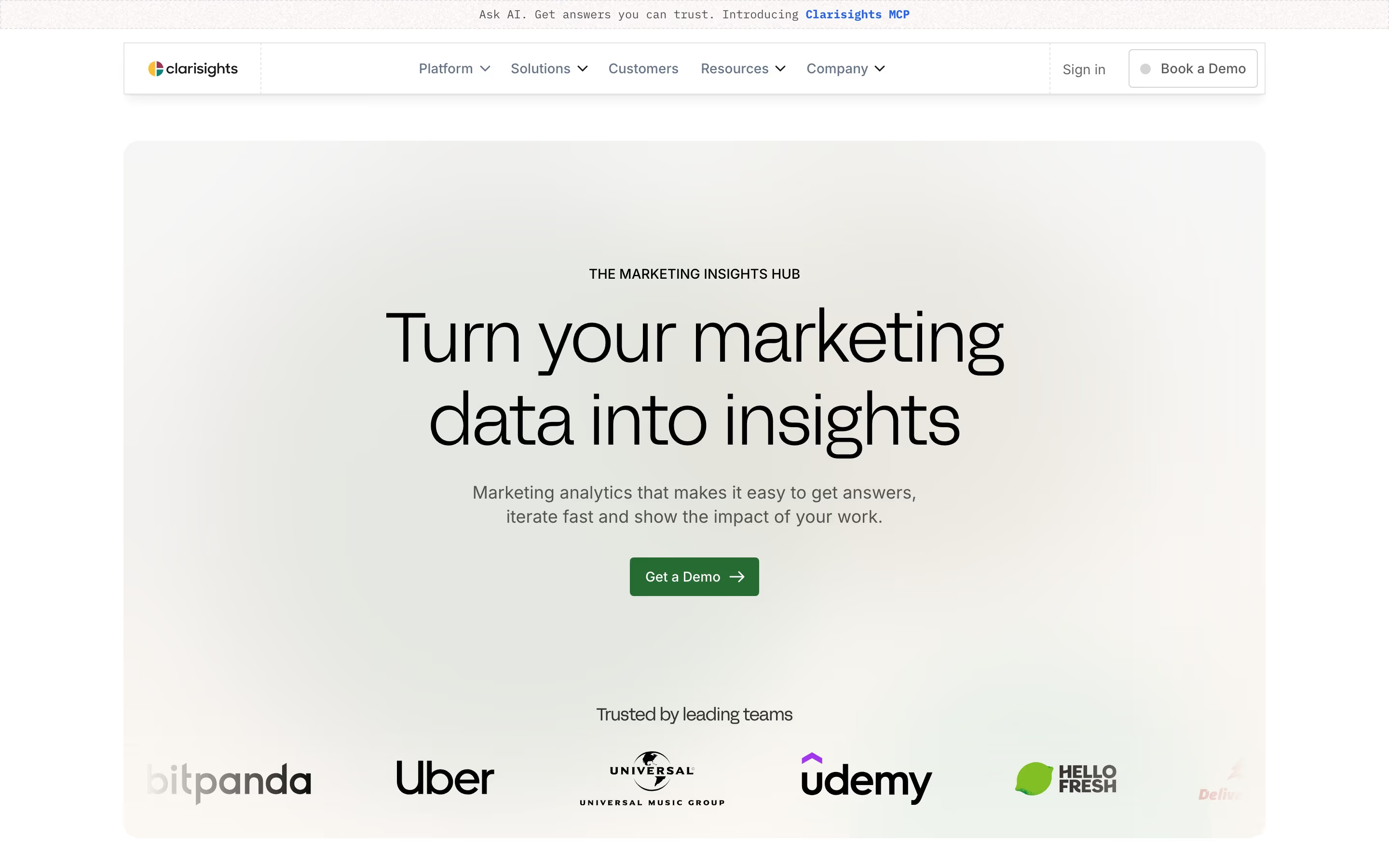
Social proof is less a single section than a layer that runs through a SaaS page. The most common form is the "Trusted by" line over a logo strip right under the hero, like Brex's "Trusted by 35,000+ top companies." Further down it shows up as testimonial cards, case-study numbers and review ratings.
Specific beats general. A quote with a name, role and company, a logo row of brands the visitor recognizes, or a concrete outcome (Revenuecat cites a 5% churn reduction) all work. A vague "Loved by thousands of teams" with no names attached reads as filler.
The best pages match the proof to the audience. A developer tool shows GitHub stars and engineering logos; an enterprise product shows recognizable brands and compliance badges. Dub mixes logo tiles and testimonial tiles in one grid, so the names and the words reinforce each other.
Social proof examples from real SaaS sites
Each one is a hero capture whose design review mentions the social proof.

When to use social proof, and when not to
Use it for
- Right below the heroA logo strip answers "who uses this" before the visitor scrolls further.
- Next to the askA rating or quote near pricing or a demo form supports the decision being made there.
- Recognizable customersYou have customers whose names mean something to your buyers.
Avoid it for
- Unknown logos onlyA row of logos nobody recognizes takes space without building trust; use a specific quote instead.
- Unverifiable numbersRound claims with no source ("10x faster for everyone") undermine the real proof around them.
- Anonymous quotesTestimonials without a name or company look invented, even when they're not.
Anatomy of social proof
- 1Label"Trusted by" or a number ("Used by 6.5 million builders") framing the proof.
- 2LogosCustomer marks, usually greyed so they don't compete with the brand.
- 3QuotesTestimonials with name, role, company and ideally a photo.
- 4NumbersUser counts, ratings or customer results stated plainly.
Common social proof variants
1. Logo strip
A row of customer logos under a "Trusted by" label, usually just below the hero.
2. Testimonial cards
Quotes in a grid or carousel with faces and titles.
3. Ratings and badges
G2, Capterra or Product Hunt scores near the hero buttons.
4. Stats tiles
Big numbers for users, uptime or volume, as on Browserbase's "Trusted by" tiles.
Spotted in our design reviews
Our reviews describe social proof on 119 of the 422 SaaS homepages in the catalog. A few of them:
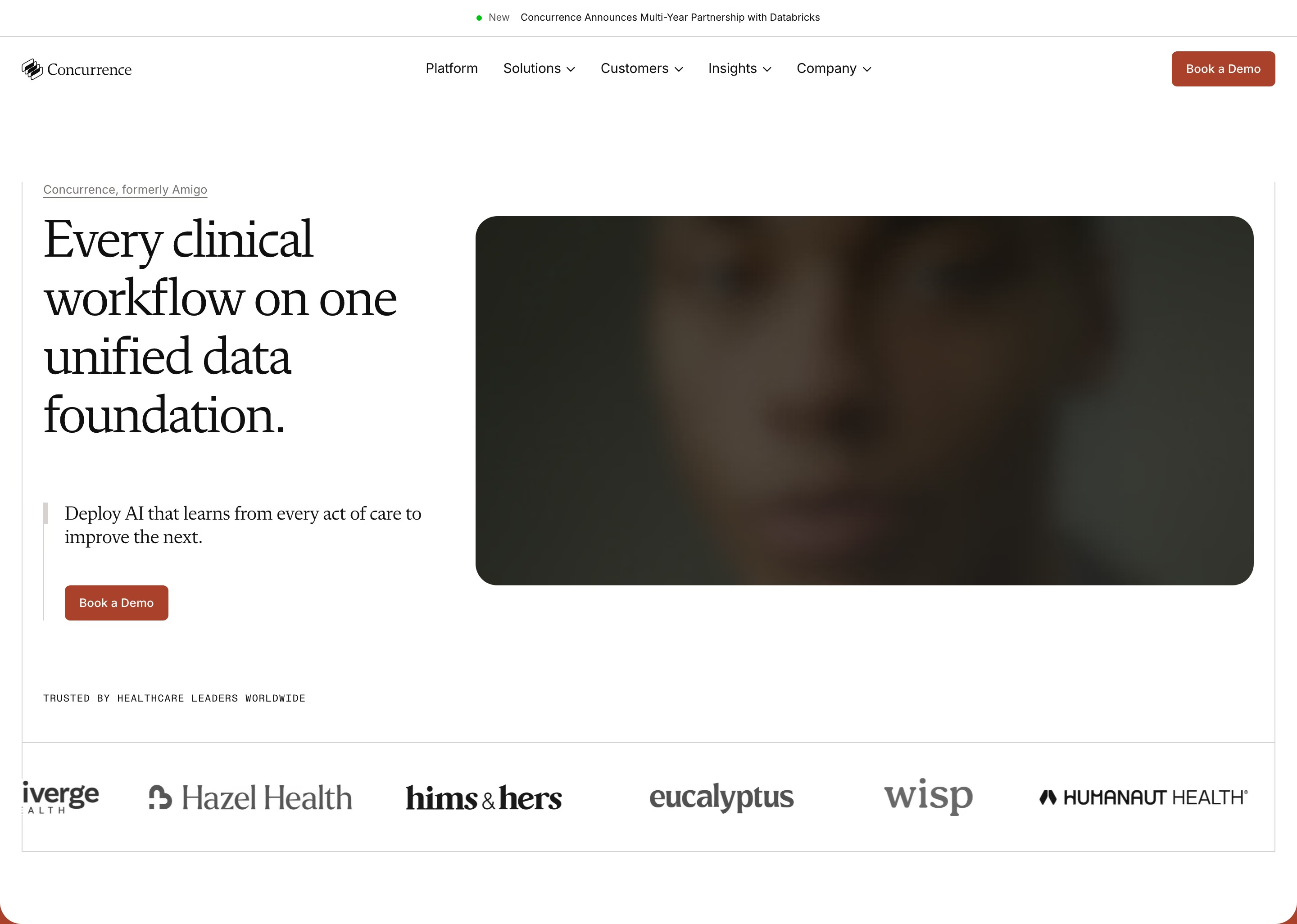
A strip headed "Trusted by top creatives at" follows, including NYU, Pentagram and WPP.
Flora · Above the fold
A "TRUSTED BY" strip of logos follows,.
Better-auth · Above the fold
A row headed "Trusted by the best leading brands:" shows four faded logos; a landscape photo with a dark code window follows.
Relace · Announcement bar, hero and logo row
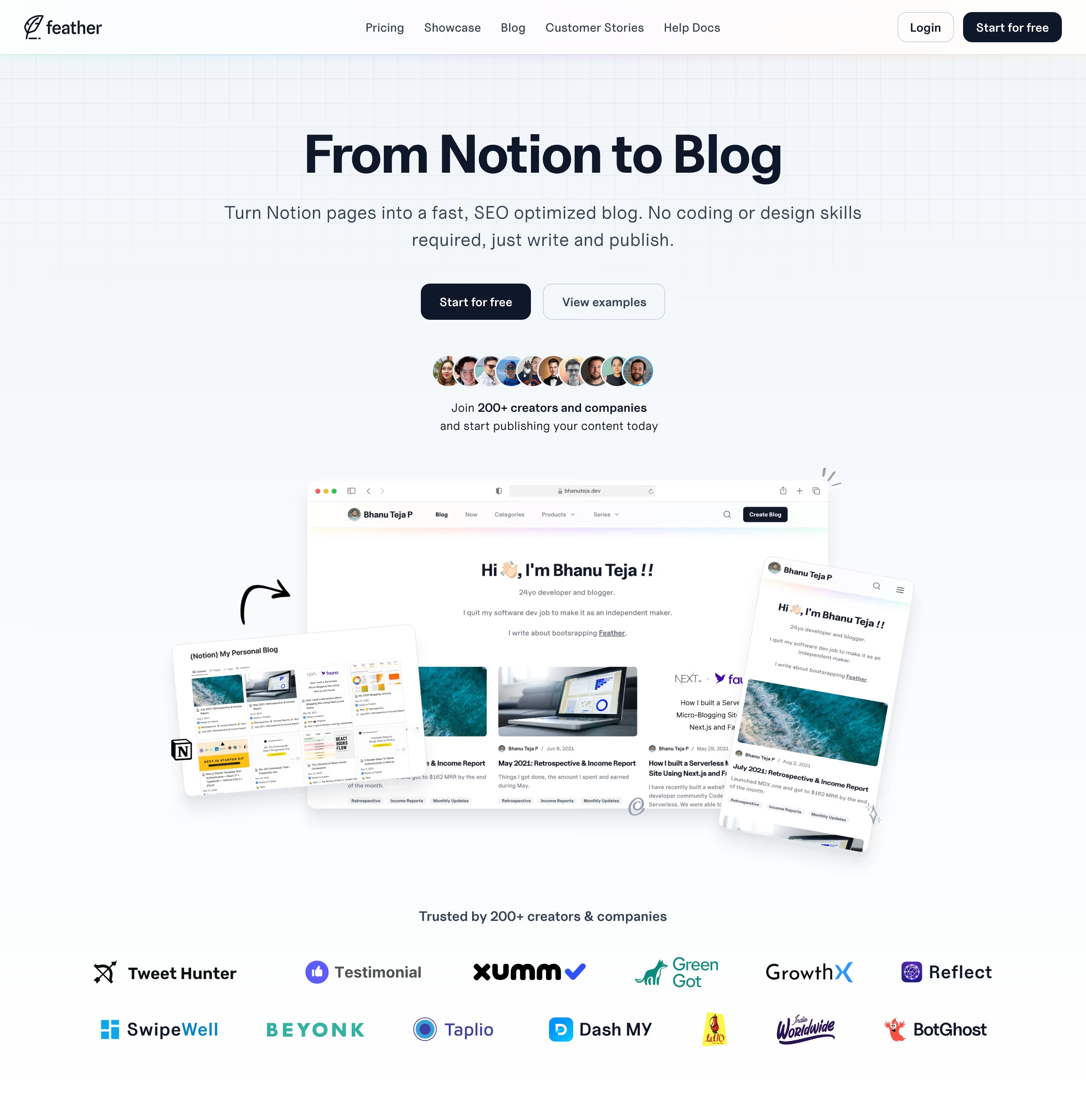
A thin strip above the nav reads "Trusted by teams worldwide".
Pollyreach · Above the fold
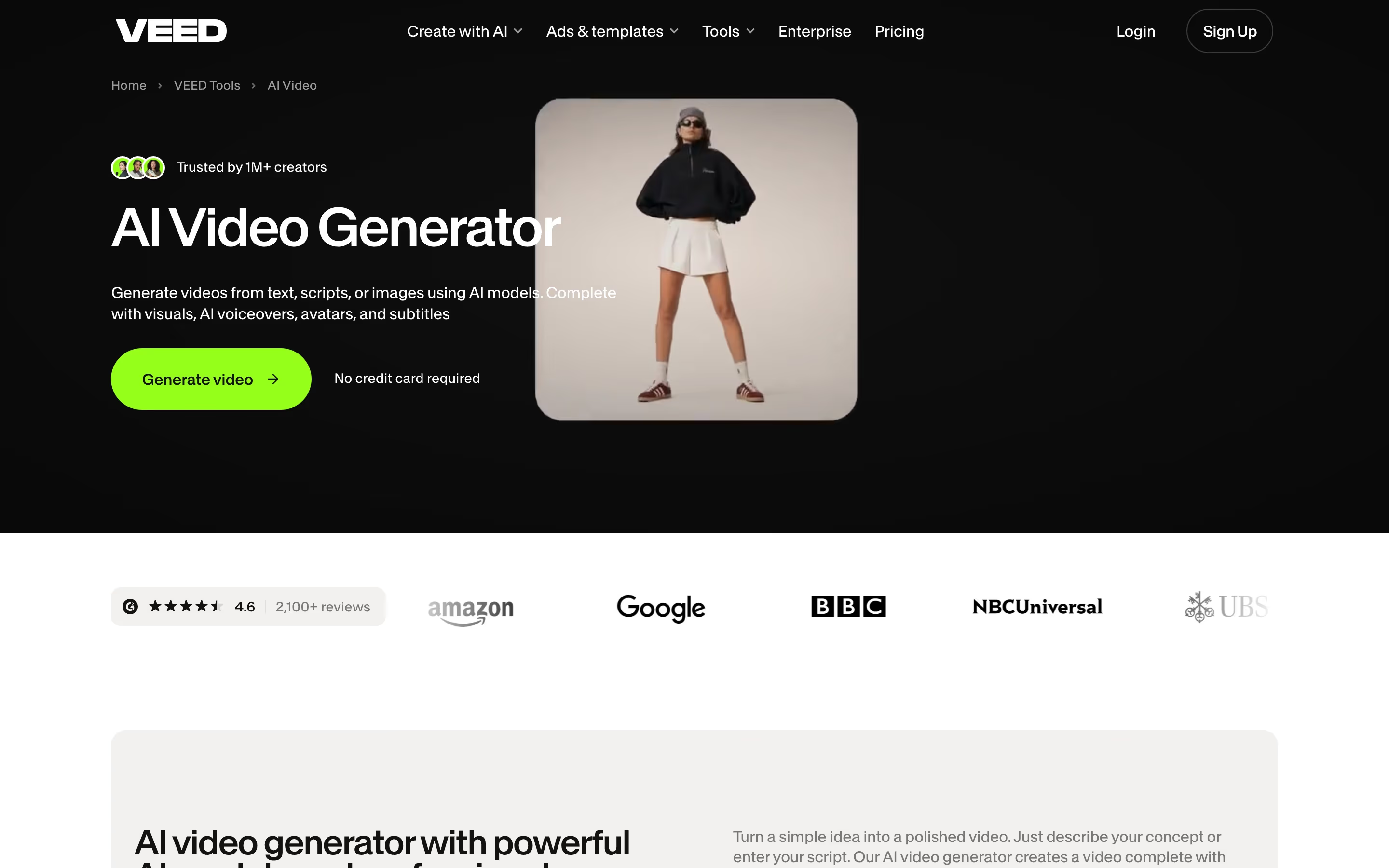
Below, "RECOGNISED AND FEATURED IN" lists Product Hunt, TechInAsia, Salesforce, TikTok and others, and "TRUSTED BY 150+ HIGH-GROWTH TEAMS" shows Google, MongoDB and CYIENT.
Getfuzzy · Hero, logos and newsletter
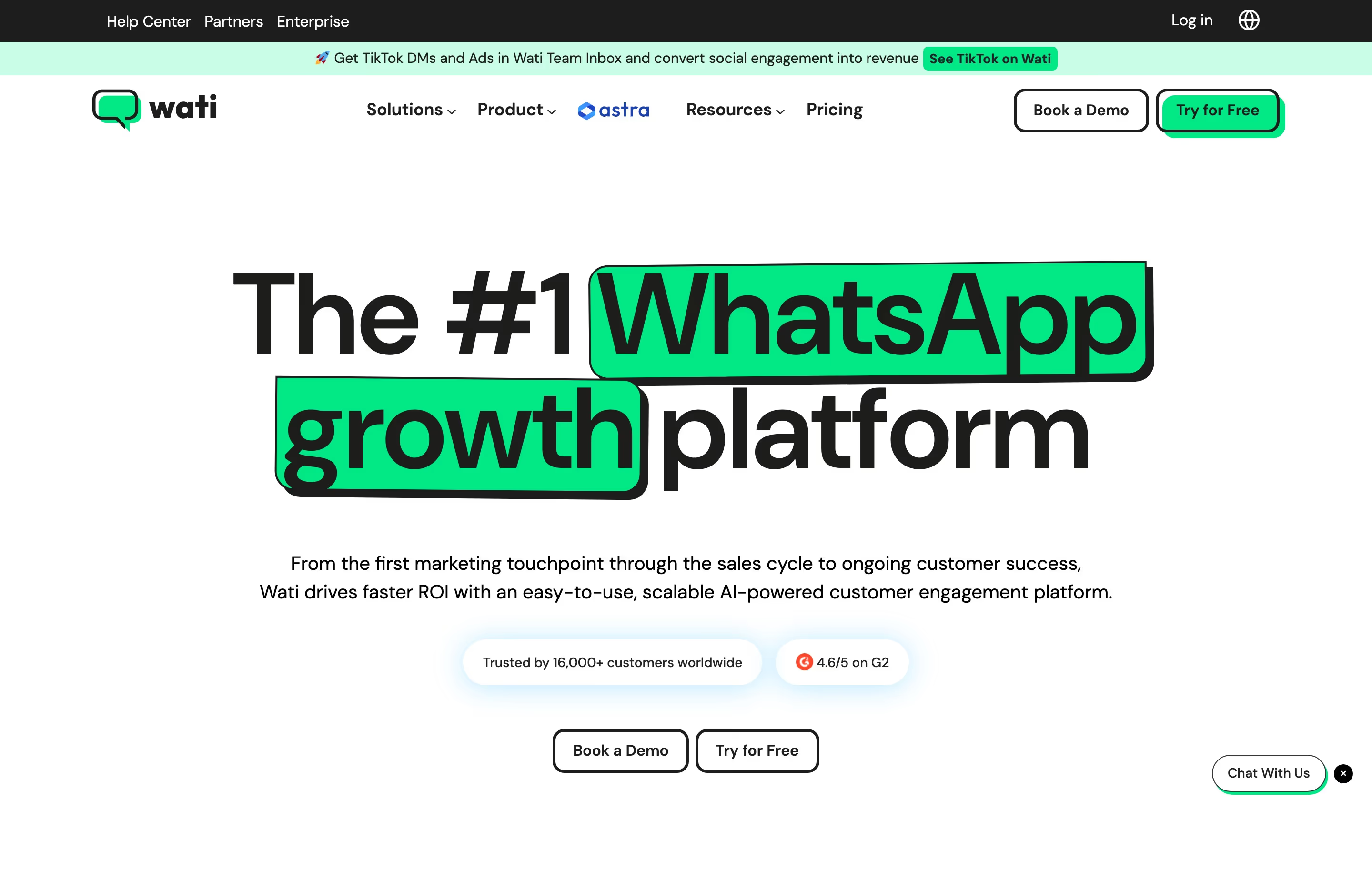
A ruled strip pairs "Trusted by Startups to Fortune 100" with five grey wordmarks.
Codeant · Header, hero and logo strip
A "TRUSTED BY" row lists six brands, from Google to LaunchDarkly, in grey.
Speakeasy · Above the fold
Under them, "Trusted by" precedes four logos.
Brainfish · Above the fold
Often confused with
Social proof vs. logo cloud
A logo cloud is one specific form of social proof: customer logos only. Social proof also covers quotes, ratings and numbers.
Social proof vs. trust badge
Trust badges prove the company is secure and compliant; social proof shows that other customers chose it.
Frequently asked
Where should social proof go on a SaaS homepage?
A logo strip directly under the hero, testimonials after the main features, and a rating or quote near the closing CTA or pricing. Spreading it out works better than one big proof section.
What if a startup has no well-known customers yet?
Use what is true and specific: a named early user's quote, investor or accelerator badges, GitHub stars or a launch ranking. One real quote beats a row of anonymous logos.