
37 Finance & Commerce SaaS website designs
Fintech, payments and accounting tools alongside e-commerce and storefront platforms — different buyers, same underlying subject: a business's money, and the trust that comes with handling it.
Sponsored by (opens in new tab)
(opens in new tab)





























About Finance & Commerce
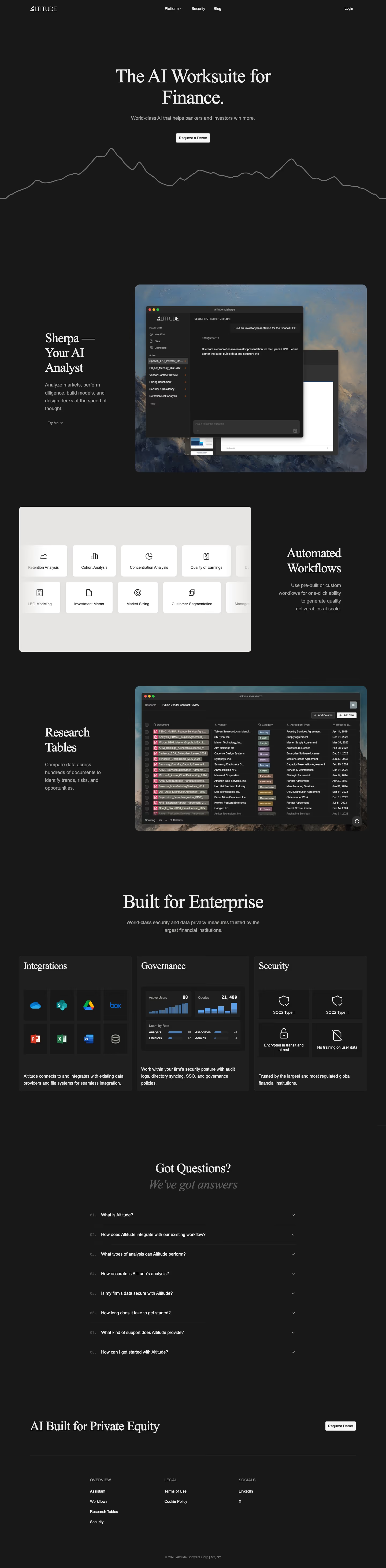
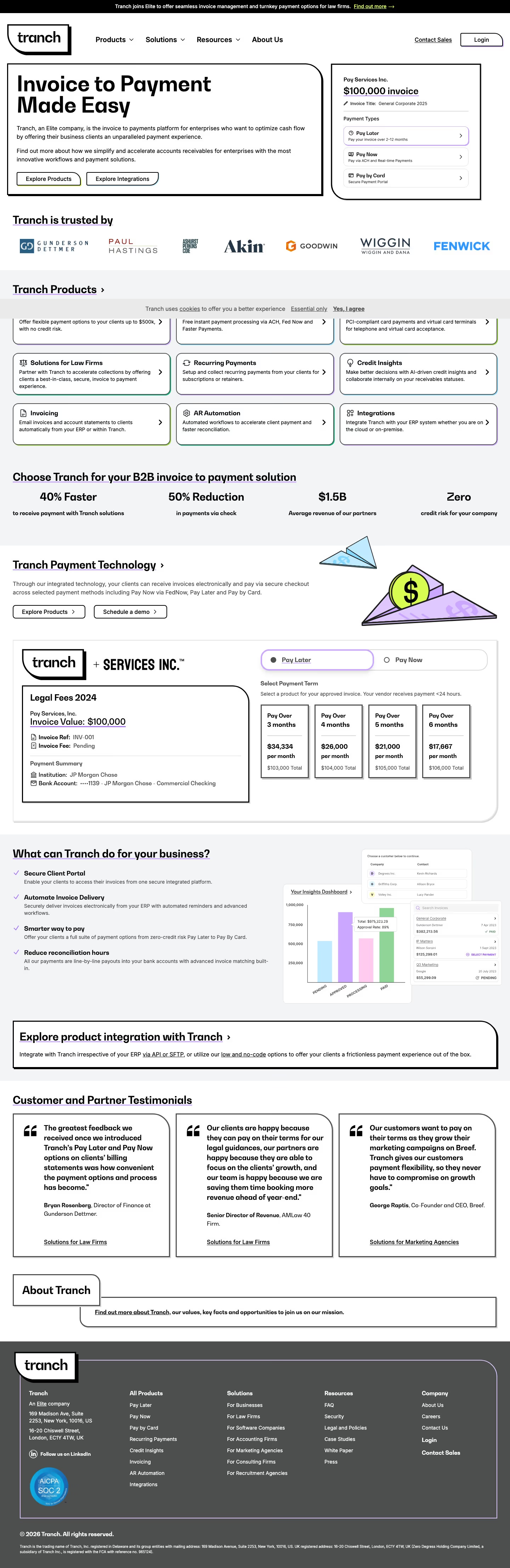
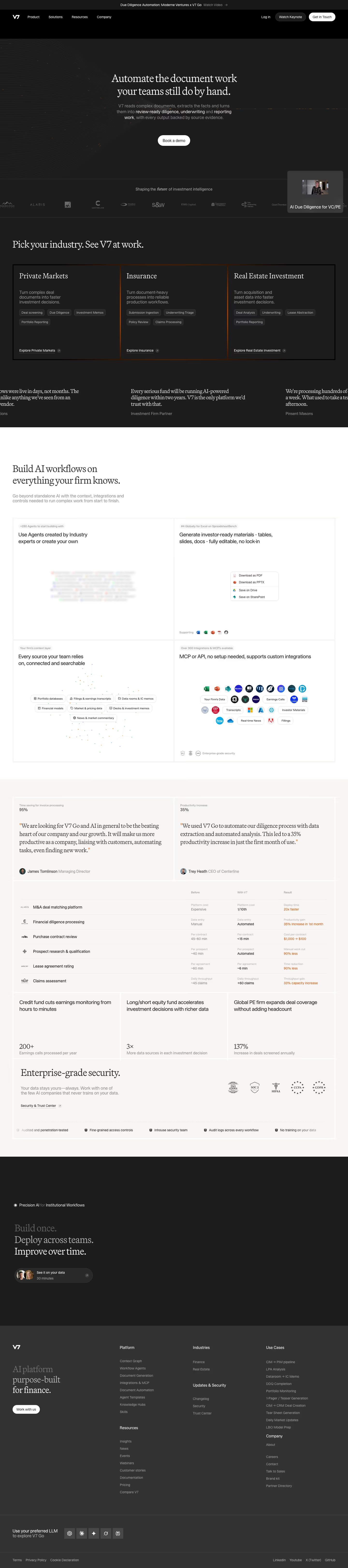
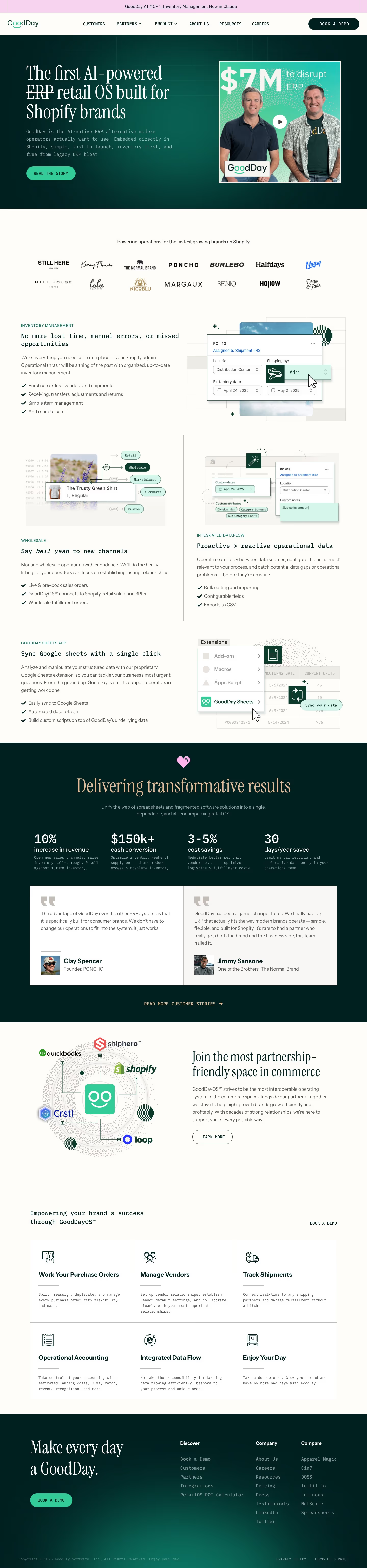
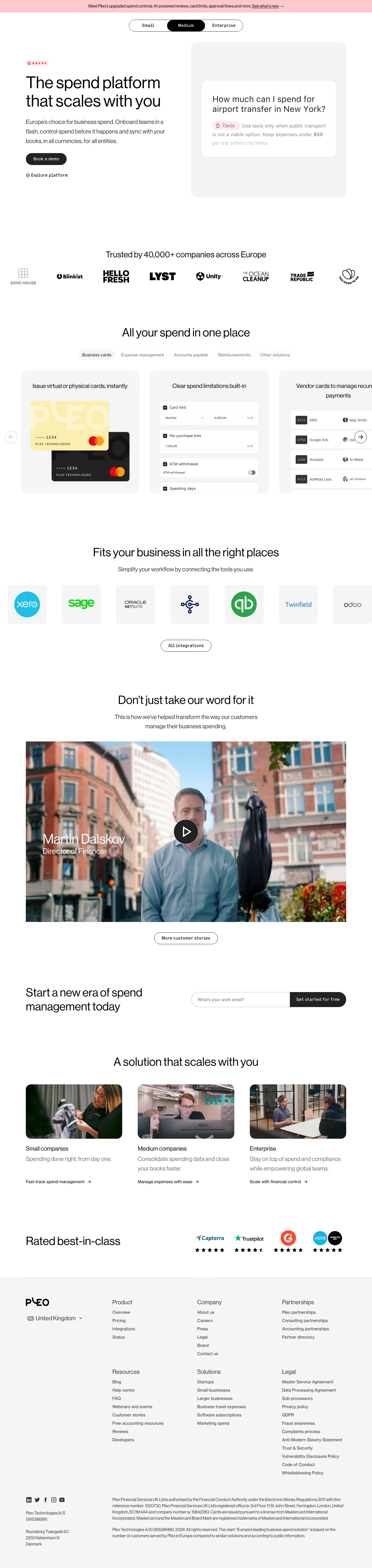
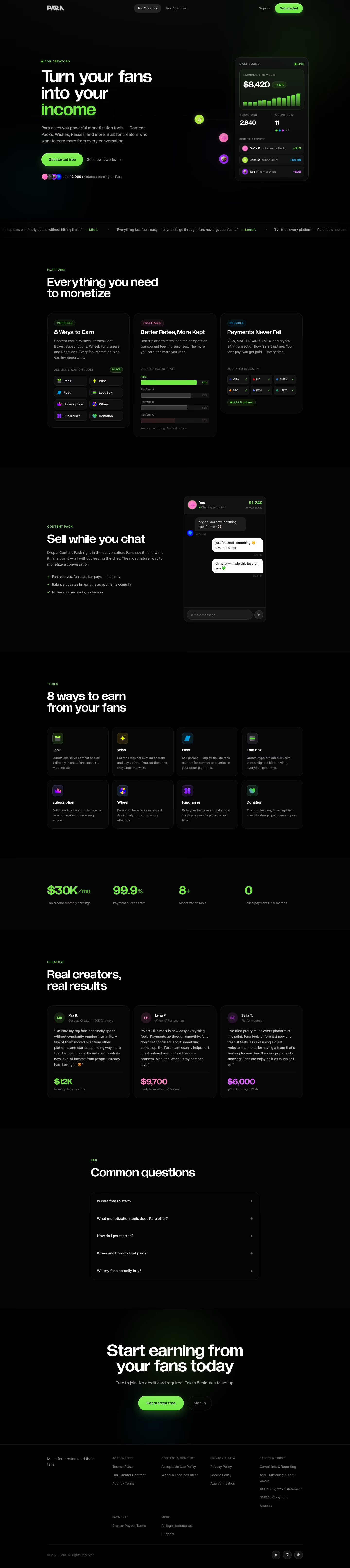
Finance products carry a trust burden most other categories don't have to design around explicitly — a visitor evaluating a payments, banking or accounting tool is implicitly asking whether their money or their customers' data is safe with this company, which is why security and compliance badges (SOC 2, PCI, bank-level encryption language) show up so much more prominently and so much earlier on the page than elsewhere. Restrained, conservative visual design is also disproportionately common here compared to more visually adventurous categories — a fintech product experimenting with a bold, unconventional aesthetic risks reading as less trustworthy to a risk-averse buyer, even if the same design would read as confident in a different category. The commerce side of this category sells to merchants who think in revenue terms first, so the strongest pages there lead with concrete outcomes (conversion lifts, average order value) rather than product mechanics, and named merchant case studies with specific numbers do more persuasive work than generic feature lists.
What makes a great one
- Compliance and security badges (SOC 2, PCI) placed early, not buried
- Conservative, restrained visual design over experimental styling
- Concrete revenue, conversion or named-merchant outcomes, not generic claims
From the blog
How AI SaaS Companies Design Differently From Fintech (With Real Data)
33 real AI companies and 25 real Fintech companies in our catalog, compared directly — including a dark-mode count that disproves the assumption that AI startups default to dark themes more than fintech does.
24 Product Landing Page Examples, Measured Fold to Footer
Twenty-four product landing pages read start to finish from our own screenshots — what's in the fold, where the logo strip actually sits, how the page closes, and how long each one really runs, in pixels.
The 30 Best SaaS Websites in 2026 (Reviewed From Real Screenshots)
Thirty SaaS websites reviewed at equal depth from screenshots we captured ourselves — what's above the fold, the one section each does unusually well, and the stack, palette and typefaces behind it. With a stated selection method, not a handpicked vibe check.
Frequently asked
Why do finance product landing pages show security badges so prominently?
Because trust is the primary barrier to conversion in this category — a visitor is implicitly evaluating whether their financial data is safe, and compliance badges (SOC 2, PCI-DSS) answer that concern directly and early.
Why do e-commerce SaaS landing pages lean so heavily on numbers and case studies?
Merchants evaluating a commerce tool are thinking directly in revenue terms, so a concrete case study with a specific conversion or revenue number answers their real question faster than descriptive feature copy.