
397 SaaS company blog page design examples
A blog index page has to make months of posts feel browsable in one glance. These examples show how SaaS companies organise a blog homepage — featured posts, category filtering, and how much of each post to reveal before the click.
Sponsored by (opens in new tab)











About blog pages
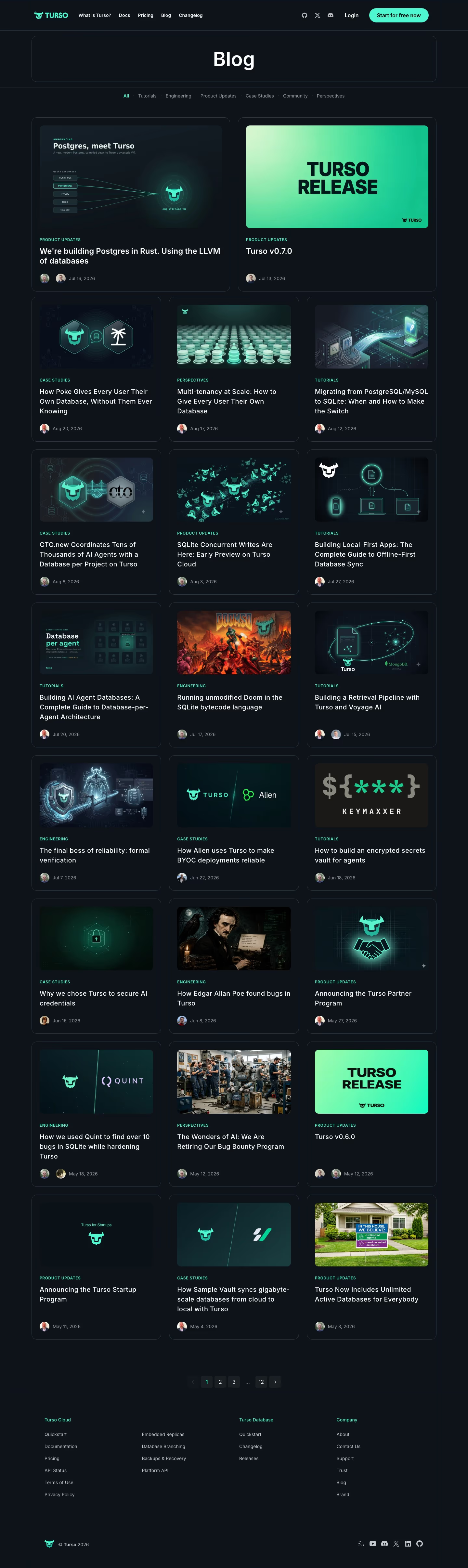
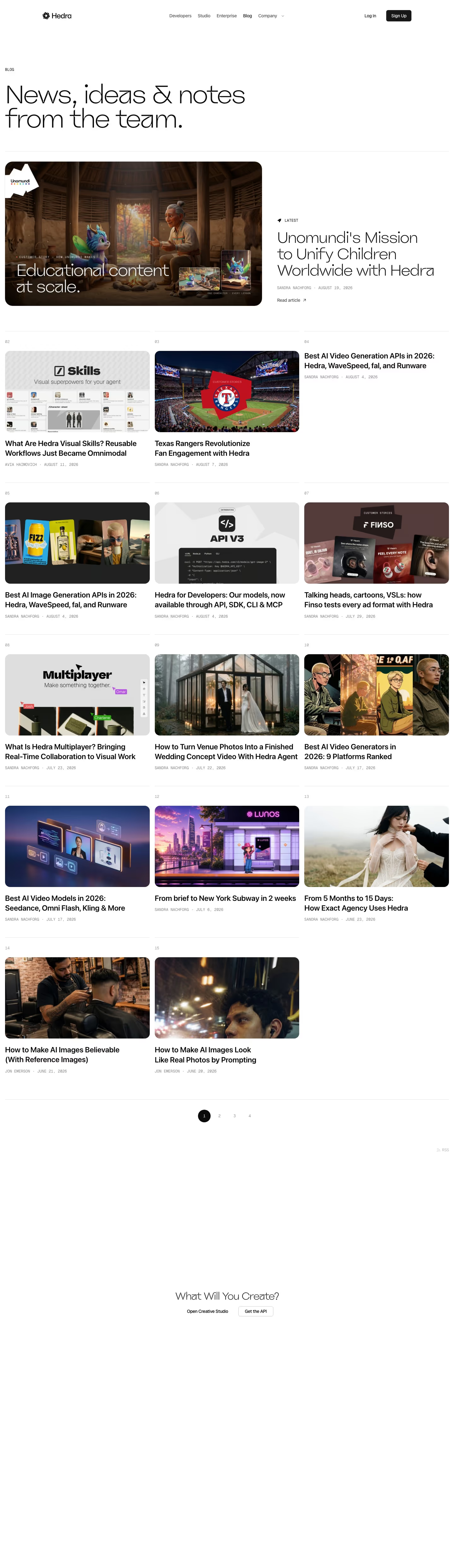
A blog index is a discovery interface as much as a content list, and the sites that get it right treat it that way — a single, clearly larger featured-post slot for the newest or most important piece, category or topic filtering for a reader who came in with a specific question rather than to browse, and enough of an excerpt (plus a real reading-time estimate) that a visitor can tell whether a post is worth the click before committing to it. The failure mode is a flat, undifferentiated grid of every post ever published in reverse-chronological order with no way to filter — technically complete, but it makes a blog with genuinely useful older content feel like it only has whatever was posted this month. Author identity is worth more here than it looks like it should be: a named author with a real photo, especially one with visible domain expertise (a title, a link to their other posts), makes technical content read as credible in a way an unattributed 'Team' byline doesn't.
What makes a great one
- One clearly larger featured post, not several competing 'featured' slots
- Category or topic filtering once there's enough volume to need it
- A real excerpt and reading-time estimate per post
- Named authors with photos, not an unattributed company byline
From the blog
50 Design Styles, Shown on Real Websites (Plus the Words to Prompt Each One)
A field guide to 50 design styles, from minimalism, bento grids and glassmorphism to pixel art, neo-brutalism and Art Deco. 33 are shown on a real, live website from our catalog, and every style lists what to look for and the words to use in a prompt.
The 30 Best SaaS Websites in 2026 (Reviewed From Real Screenshots)
Thirty SaaS websites reviewed at equal depth from screenshots we captured ourselves — what's above the fold, the one section each does unusually well, and the stack, palette and typefaces behind it. With a stated selection method, not a handpicked vibe check.
22 SaaS Affiliate Program Pages, and the Terms They Actually Publish
Semrush publishes a 120-day cookie window and a four-tier commission table. Typeform caps you at $500 per referral. Seven of these 22 pages publish no rate at all. A page-by-page read of what SaaS affiliate pages actually disclose.
Frequently asked
Should a blog have one featured post or several?
One clearly larger featured slot is the more common and effective pattern — it gives the page an obvious starting point, whereas several equally-sized 'featured' posts just recreates the flat-grid problem it was meant to solve.
Do SaaS blogs need category filtering?
Once there's enough volume to need it — usually past 30-50 posts — category or topic filtering matters a lot, since it's the difference between a reader finding the one post relevant to them and giving up after two pages of unrelated titles.
Should post cards show the author?
Yes, with a real name and photo where possible — attribution to a named person with visible expertise reads as more credible than an unattributed company byline, particularly for technical or opinionated content.